Winter Ready: Your Fall Furnace Maintenance Checklist
Getting your furnace ready in the fall keeps your home safe, more comfortable, and easier on your energy bills when Utah’s cold hits. This guide walks you through simple, safe tasks you can do yourself, explains why a yearly professional tune-up matters, and covers whole‑home winterization steps that reduce heating load. You’ll find step‑by‑step DIY items like filter changes and thermostat checks, a clear overview of what a pro inspects, guidance on air‑sealing and CO detector routines, plus local scheduling tips and money‑saving considerations. We’ve organized the content into six practical sections—DIY prep, professional tune‑ups, home winterization, local service details, energy impact, and troubleshooting—so you can follow a dependable furnace maintenance checklist and head into winter confidently.
What Are the Essential DIY Steps to Prepare Your Furnace for Winter?
A fall furnace check is a short list of homeowner tasks that restore airflow, confirm basic controls work, and spot obvious safety issues before cold weather sets in.
These actions remove common obstructions, verify sensors, and keep combustion and vent paths clear—helping your system run safely and efficiently and reducing the chance of unexpected failures.
Simple, regular tasks such as changing filters, checking the thermostat, clearing vents, and doing a visual inspection prevent restricted airflow and awkward cycling that drive up energy use.
The numbered checklist below covers the top DIY items most homeowners can safely do themselves, with frequency and safety notes. After the list we walk through filter replacement so you can tackle the most impactful task with confidence.
Here are the essential DIY fall furnace tasks to take care of now:
- Replace or inspect the air filter: Check monthly and change the filter based on its type and your household’s needs.
- Test and calibrate the thermostat: Confirm it’s reading accurately and program an efficient winter schedule.
- Clear return and supply vents: Move furniture or rugs away from registers and vacuum the grilles.
- Perform a visual combustion‑area check: Look for soot, corrosion, or loose panels; do not open or repair internal components.
- Check carbon monoxide detectors and batteries: Test units and replace batteries or expired detectors as needed.
- Inspect exterior venting and the furnace area: Remove debris, nests, and snow from exhaust terminations and keep the area clear.
- Run a short system cycle: Turn the heat on and listen for unusual sounds while confirming warm airflow at the registers.
Completing these items gives immediate benefits: better airflow, steadier temperature control, and early warning of safety issues. If you find anything unusual, these checks also prepare you to describe the problem when you schedule a professional tune‑up.
How to Check and Replace Your Furnace Air Filter Effectively
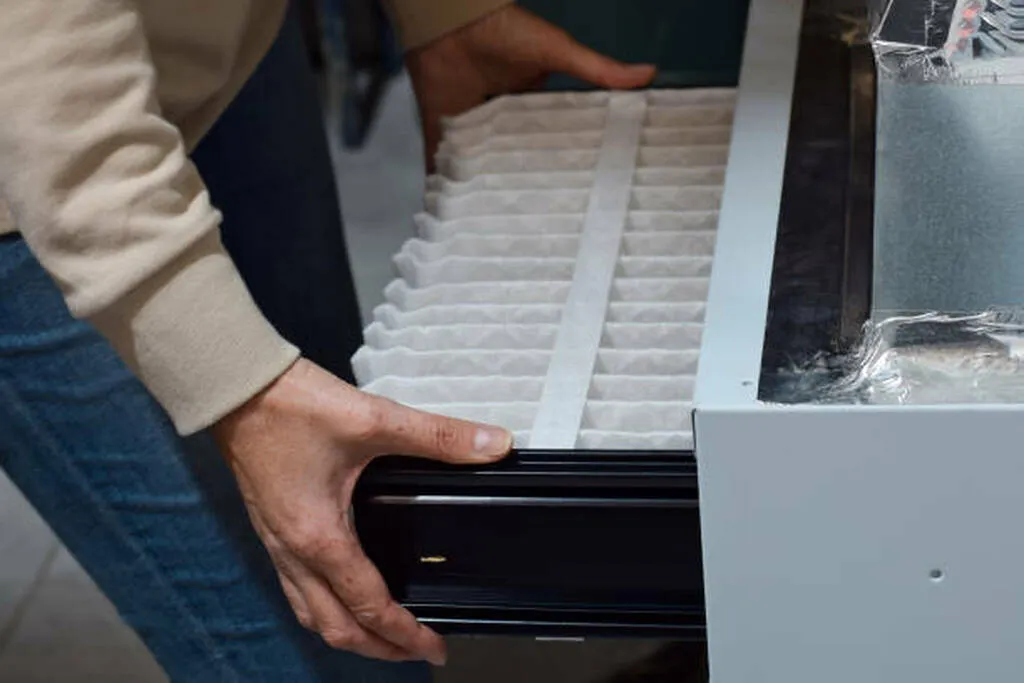
Changing the furnace air filter is the single most effective DIY step for seasonal care: a clean filter restores airflow and eases strain on the blower. Before you start, turn the furnace off at the thermostat and, if accessible, at the service switch. Remove the filter from the return grille or cabinet and hold it up to the light—heavy dust, dark discoloration, or deformation means it’s time to replace.
Match the replacement filter by size and consider the MERV rating: 6–8 works well for most homes; higher MERV values catch more particles but can limit airflow in older systems. Throw away disposable filters in sealed trash; if you have a reusable filter, follow the manufacturer’s cleaning instructions and note the replacement or cleaning date. A clean filter improves indoor air quality, prevents short cycling, and helps lower energy use. Next up: testing and calibrating your thermostat to make sure the system responds correctly.
What Are the Best Practices for Testing and Calibrating Your Thermostat
Thermostat accuracy matters because it tells your furnace when to run. Start with a simple test: place a reliable room thermometer near the thermostat, call for heat, and compare the thermostat reading to the thermometer after a full cycle. If readings differ by more than about 2°F, the thermostat may need calibration or replacement.
For programmable or smart thermostats, confirm your setback schedule, enable temperature recovery features, and update firmware or app settings if available. Set a conservative winter program that balances comfort with energy savings. If the thermostat keeps failing accuracy checks or wiring looks damaged, don’t attempt electrical fixes—call a pro. A well‑set thermostat works with a clean filter to keep runtimes efficient and temperatures steady.
Professional Fall HVAC Tune-Up: Key to Winter Furnace Safety
A professional tune‑up is a thorough inspection and set of adjustments a trained technician performs—tasks that are unsafe or impractical for most homeowners. Pros find problems like cracked heat exchangers, gas leaks, or faulty safety controls using diagnostic tools and combustion testing, which helps prevent carbon monoxide exposure and major failures. Beyond safety, a tune‑up cleans, lubricates, and adjusts components to restore manufacturer performance, lower energy use, and extend equipment life.
The table below highlights common inspection items, the risks of ignoring them, and the typical professional actions so you can see where DIY stops and pro service begins.
| Inspection Item | Risk if Ignored | Professional Action |
|---|---|---|
| Heat exchanger | CO leaks, catastrophic failure | Visual and pressure inspection; recommend repair or replacement |
| Combustion efficiency | Incomplete combustion, higher bills | Combustion analysis and burner tuning |
| Gas connections | Leaks, fire hazard | Leak testing and repair or tightening |
| Safety controls | Uncontrolled firing or shutdown | Functional testing and replacement when needed |
This comparison shows why professionals inspect components—like the heat exchanger and gas connections—that homeowners shouldn’t attempt. The section that follows explains what a B.L.R. Heating & Air technician covers during a tune‑up and what to expect locally.
What Does a B.L.R. Heating & Air Technician Inspect During a Furnace Tune‑Up?
A B.L.R. Heating & Air tune‑up follows a systematic checklist: visual inspection of the heat exchanger for cracks or corrosion; cleaning and adjustment of burners and flame sensors; testing electrical connections and controls; lubrication of moving parts; and confirming proper venting and exhaust. Technicians also run combustion analysis, measure temperature rise and airflow, and test safety switches and limit controls. These steps reduce safety risks, improve performance, and set a clear baseline for future maintenance—especially useful for homeowners in Woods Cross and neighboring Utah communities.
How Does Professional Maintenance Extend Furnace Lifespan and Ensure Safety
Regular professional maintenance slows wear that leads to early failures—removing deposits, reseating parts, and correcting combustion reduces stress on the heat exchanger and blower. Routine tune‑ups also help maintain manufacturer warranties and cut down on emergency repairs by catching problems early. Studies show consistent maintenance can produce measurable energy savings and fewer breakdowns. By preventing soot buildup, ensuring proper lubrication, and stabilizing combustion, tune‑ups lower the chance of sudden failures or CO incidents—making an annual inspection a smart part of seasonal furnace care.
How to Ensure Furnace Winterization: Beyond Basic Maintenance
Winterization goes beyond the furnace itself. Whole‑home steps—sealing air leaks, upgrading insulation, balancing humidity, and fixing duct leaks—lower heat loss and reduce furnace runtime. Air sealing targets infiltration points while insulation keeps conditioned air inside, and proper humidity improves perceived warmth so your thermostat works less. Below is a practical winterization checklist, followed by an essential note on carbon monoxide detector testing.
- Seal common air leaks: Caulk windows, add weatherstripping to doors, and insulate attic hatches.
- Inspect and insulate ducts: Seal gaps with mastic and add insulation in unconditioned spaces.
- Upgrade attic or wall insulation: Bring levels up to recommended local standards.
- Manage humidity: Use or adjust humidifiers to reduce dry air and improve comfort.
- Protect exterior vents: Keep screens and vent terminations clear of debris and blockages.
These envelope and duct improvements reduce furnace workload by limiting heat loss. The next subsection walks through room‑by‑room sealing steps you can start safely.
What Are the Key Steps to Seal Air Leaks and Improve Home Insulation?
Begin sealing at typical leak points: window perimeters, door thresholds, recessed lights, and attic hatches. Start with affordable fixes—caulk small cracks, apply weatherstripping, and add door sweeps—then check attic insulation and add targeted batts where material looks thin or settled. For ducts, inspect seams and joints in crawlspaces and attics; use mastic or UL‑rated foil tape (not cloth tape) and add insulation sleeves in unconditioned spaces to cut conductive losses. Bigger jobs, like wall insulation or window replacement, usually need a contractor and should be prioritized based on climate and cost‑effectiveness. Reducing infiltration lowers furnace cycling and supports efficiency goals.
Why Is Carbon Monoxide Detector Testing Vital Before Winter
CO risk goes up in heating season because combustion appliances run more and homes are tighter. Test CO detectors monthly using the built‑in test button, replace batteries at least once a year or when needed, and replace the detector itself per manufacturer guidance—usually every 5–7 years—because older units can lose sensitivity. Place detectors outside sleeping areas and on every level, following safety authority recommendations for spacing. If a CO alarm sounds, treat it as an emergency: get everyone outside, call emergency services, and contact a qualified HVAC technician to inspect combustion appliances. This emergency response complements the preventive maintenance above.
Where and How to Schedule Reliable Fall Furnace Maintenance Services in Utah
Scheduling local fall furnace maintenance connects your DIY prep with professional expertise to protect safety, keep warranties valid, and ensure peak efficiency through winter. Good providers offer phone booking and online requests, clear arrival windows, and pre‑visit instructions so you know what to expect. In the Salt Lake Valley area, B.L.R. Heating & Air provides heating service tailored to Utah winters—call us at (385) 988-5258 or visit our local office at 1432 S. 580 W. Woods Cross, Utah 84087 to check availability. Below are scheduling tips and steps to prepare before a technician arrives, plus info on promotions and financing to help manage costs.
- Book early: Schedule fall tune‑ups before peak season to lock in preferred times.
- List symptoms: Note noises, smells, or performance issues to share with the technician.
- Clear access: Keep the furnace area unobstructed so the tech can work efficiently.
Preparing ahead reduces on‑site time and helps the technician focus on accurate diagnostics and any needed repairs. The next subsection lists our service area for faster response times and local expertise.
Which Areas Does B.L.R. Heating & Air Serve for Furnace Maintenance?
B.L.R. Heating & Air serves communities across northern Utah with heating maintenance that accounts for regional climate and common house types. Our service area includes Woods Cross, West Bountiful, Centerville, Salt Lake City, West Jordan, and West Valley—locations that let us respond quickly and plan for local issues like altitude‑related combustion adjustments and typical duct layouts. Homeowners can expect technicians who know local heating services and system configurations, which speeds inspections and repairs.
What Are the Available Promotions and Financing Options for HVAC Services?
Seasonal promotions and financing make maintenance and repairs easier to afford. Common offers include tune‑up discounts, bundled maintenance plans, and payment arrangements for larger repairs or replacements—ask about current terms and eligibility. Before scheduling, request an itemized estimate showing diagnostics, recommended actions, and any promotional pricing or financing options. Reviewing these choices up front helps you get comprehensive care without surprise costs and plan for upgrades that improve long‑term savings.
How Does Seasonal Furnace Care Impact Energy Efficiency and Heating Costs?
Seasonal furnace care affects efficiency and monthly bills because maintenance restores proper airflow, combustion performance, and control accuracy—the main drivers of fuel use. Dirty filters, leaky ducts, and poorly tuned burners force the system to run longer and less efficiently. The table below links typical maintenance actions to their common impacts so you can see how individual steps translate to energy and cost differences. After the table we show how to estimate expected savings and the potential return on investment from service.
| Maintenance Action | Typical Impact | Estimated Energy/Cost Effect |
|---|---|---|
| Dirty filter replacement | Restores airflow | 5–15% lower energy use |
| Duct sealing | Reduces delivery losses | 5–20% lower heating load |
| Combustion tune‑up | Improves fuel burn | 3–10% improved efficiency |
| Thermostat calibration | Reduces unnecessary runtime | 2–6% lower bills |
This comparison links parts of the system (filters, ducts, combustion) to outcomes (airflow, leakage) and shows typical impacts—combined measures often compound savings. Below we outline realistic saving scenarios you can use to estimate ROI.
What Energy Savings Can Homeowners Expect from Regular Furnace Maintenance?
Typical combined savings range from about 5% to 30%, depending on your system’s starting condition and how many fixes you implement. For example, replacing a heavily clogged filter and sealing major duct leaks in the same season can produce clearly noticeable reductions in runtime. Small, recurring actions—regular filter changes and thermostat programming—deliver steady savings, while one‑time fixes like duct sealing or combustion tuning raise baseline efficiency. To estimate savings, take your current annual heating cost, apply conservative percentage reductions from the table above, and compare the service cost to annual savings to find the payback period.
How Do Smart Thermostats Enhance Winter Heating Efficiency?
Smart thermostats save energy by optimizing schedules, learning habits, and offering remote control plus adaptive recovery—so your system runs less when no one’s home and ramps up efficiently when you return. Features like geofencing and setback automation reduce wasted runtime while keeping comfort predictable. We recommend modest setbacks (3–4°F) overnight and enabling adaptive recovery so the home reaches comfort gradually instead of by short, inefficient bursts. If you’re adding a smart thermostat to an older furnace, have a technician confirm compatibility and wiring so safety controls aren’t affected.
What Are Common Furnace Troubleshooting Tips for Fall and Winter Preparation?
These troubleshooting tips help homeowners isolate simple problems and know when to call a pro. Common signs include loss of heat, strange noises, short cycling, and visible soot or abnormal flame. Start with basic checks—thermostat settings, the air filter, and power to the unit. The step‑by‑step flow below walks you through safe diagnostic steps and shows when professional help is needed. After the checklist we explain how to interpret noises and urgency levels so you can prioritize repairs.
- Check the thermostat and power: Verify correct mode, setpoint, and circuit breaker or fuse.
- Inspect and replace the air filter: Restore airflow before testing other symptoms.
- Listen for unusual sounds during a cycle: Note whether they happen at startup or while running.
- Check pilot/ignition status and error codes: On modern units, record control board codes for the technician.
- If you smell gas or a CO alarm sounds: Evacuate immediately and call emergency services and an HVAC pro.
These steps help separate simple fixes from safety‑critical problems and prepare useful information for a technician if you need a service visit.
How to Identify and Address Furnace Noises and Performance Issues
Noise often points to a specific problem: squealing can mean a worn belt or motor bearing, rattling may be a loose panel or debris, and banging during ignition could indicate delayed ignition or combustion issues. Start with safe checks—secure cabinet panels, clean or replace the filter, and make sure vents are clear. Many minor noises stop after those fixes. Persistent mechanical sounds, bangs during ignition, reduced heat output, or unusual odors require immediate professional diagnosis because they can signal dangerous conditions like burner misalignment or heat exchanger stress. If a noise coincides with loss of heat or an alarming smell, shut down the unit and schedule urgent service.
When Should You Call a Professional for Furnace Repair During Winterization?
Call a professional right away for danger signs: the smell of natural gas, a carbon monoxide alarm, repeated ignition failures, visibly abnormal flame, or continued loss of heat after basic troubleshooting. For non‑emergency but time‑sensitive issues—short cycling, falling performance, or control board error codes—book same‑week service to avoid winter peak delays and prevent further damage. When you call, have the system make/model (if known), observed symptoms, recent maintenance actions, and any error codes ready—this speeds diagnosis and helps the technician bring appropriate parts. Prompt attention protects occupants, preserves equipment life, and keeps your heating working safely through winter.
Frequently Asked Questions
What are the signs that my furnace needs professional maintenance?
Look for banging, squealing, uneven heating, frequent cycling, or a sudden rise in energy bills. Other red flags are soot around the furnace, a yellow burner flame instead of blue, or a carbon monoxide alarm. If you notice any of these, schedule a professional inspection promptly.
How often should I schedule a professional furnace tune‑up?
We recommend an annual tune‑up in the fall before heating season. Yearly service helps your furnace run safely and efficiently and can extend equipment life. Homes with older systems or heavy use may benefit from twice‑yearly checks.
Can I perform my own furnace maintenance, and what should I avoid?
Yes—you can handle basic tasks like replacing air filters and checking the thermostat. Avoid internal repairs such as opening the heat exchanger, adjusting combustion settings, or working on gas connections—those require trained technicians. When in doubt, call a professional.
What should I do if my furnace is blowing cold air?
First, confirm the thermostat is set to “heat” and the setpoint is higher than the room temperature. Check the air filter for clogs and look for error codes on the thermostat or control board. If those steps don’t help, contact a technician for diagnosis and repair.
How can I improve my home's energy efficiency during winter?
Seal air leaks around windows and doors, add weatherstripping, and insulate attics and ducts. Use a programmable or smart thermostat to optimize schedules, and keep vents unobstructed. Regular furnace maintenance—filter changes and professional tune‑ups—also makes a big difference.
What are the benefits of using a smart thermostat for my furnace?
Smart thermostats learn your habits, optimize schedules, and let you control heating remotely. Features like geofencing and adaptive recovery can reduce energy use while keeping your home comfortable. They also provide usage data to help you spot savings opportunities.
Conclusion
Preparing your furnace for winter with a clear maintenance checklist keeps your home safer, more comfortable, and more efficient. Do the essential DIY tasks, and schedule a professional tune‑up to catch what you can’t. Don’t wait until the first cold snap—take these steps now to protect your family and your heating system. Contact our team or explore our services to make sure your furnace is truly winter‑ready.