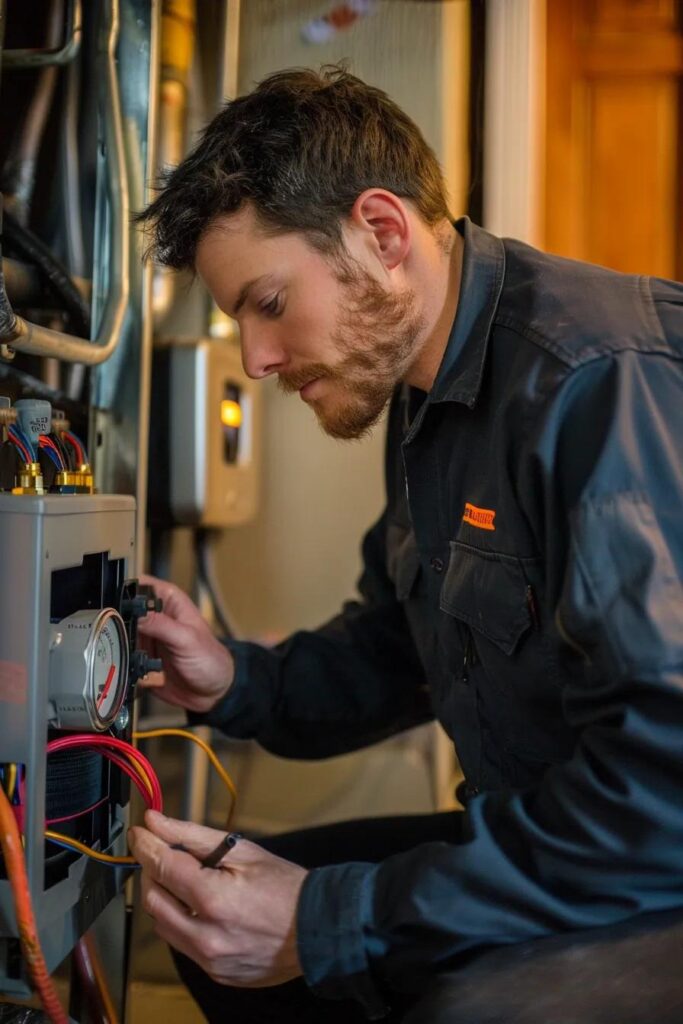
Quick Solutions for Furnace Not Heating - Expert Tips
Furnace Not Heating? A Practical, Step‑by‑Step Guide to Causes and Fixes
When your furnace stops producing heat, it’s more than an annoyance — it’s uncomfortable and stressful, especially in cold weather. Knowing the common causes and simple checks you can do at home helps you diagnose the problem faster and decide whether you can fix it yourself or need a pro. This guide walks through the likely reasons a furnace won’t heat and offers practical steps to get warmth back in your home.
We’ll cover the main reasons your furnace might be blowing cold air, how to troubleshoot ignition problems, thermostat checks, simple fixes for dirty filters and airflow, and clear signs it’s time to call a technician. Each section includes straightforward, actionable advice so you can handle easy repairs or book service with confidence.
Why Is My Furnace Blowing Cold Air? Common Causes and What to Do
If your vents are pushing cold air, it usually comes down to a few common issues:
- Dirty Coils or Missed Maintenance: Skipping regular tune‑ups lets dirt and debris build up, which reduces heat transfer and can make your system deliver cold air.
- Heat Pump Behavior: Heat pumps can run in defrost mode and briefly blow cool air — that’s normal. But if the unit keeps tripping breakers or doesn’t recover after a defrost cycle, there may be a bigger problem.
- First Start of the Season: If this is the furnace’s first run after summer, it may blow cool air for a few minutes while the system cycles and the heat exchanger warms up. A temporary odor is normal on the first run.
- Gas Odor: If you smell rotten eggs or gas, turn the furnace off and leave the home. Call your gas company or a qualified HVAC tech right away — a gas leak is a serious safety issue.
If any of these scenarios match what you’re seeing and you’re unsure how to proceed, it’s a good idea to contact a professional for a safe, accurate diagnosis.
How a Clogged Furnace Filter Hurts Heat Output
A dirty filter restricts airflow, forcing the furnace to work harder to move warm air. That reduced airflow can make rooms feel cold, cause the system to overheat and shut down, or trigger short cycling. Regularly changing or cleaning your filter restores airflow, improves comfort, and prevents unnecessary wear. For further information, visit our heating services.
How the Thermostat Affects Furnace Performance
The thermostat tells your furnace when to run. If it’s set wrong, placed in a poor location, or malfunctioning, the furnace won’t heat your home properly. Confirm the settings and power, and replace batteries when needed to keep the system responding as it should.
How to Troubleshoot Furnace Ignition Problems
Follow these checks to isolate common ignition problems before calling for service:
- Check the Thermostat:Make sure the thermostat is powered on.Raise the set temperature a few degrees above the current room temp.Confirm it’s set to “Heat,” not “Cool” or “Fan.”If the display is blank, swap the batteries and try again.
- Confirm Power to the Furnace:Check your breaker panel — flip the furnace circuit off and then back on.Look for a power switch near the furnace (it looks like a light switch) and ensure it’s on.
- Inspect the Outdoor Unit (if you have one):Make sure the outdoor unit is running when it should.Look for ice buildup — heavy icing can prevent proper operation.
- Reset the Circuit Breaker:Find the breaker labeled “heat pump” or “air conditioner.”Flip it off and then on again, then wait a couple minutes to see if the system restarts.
When these steps don’t restore heat, call a licensed technician — ignition problems can involve gas valves, burners, or control modules that need professional attention.
Signs Your Furnace Isn’t Igniting
Watch for these warning signs: strange or loud noises, a persistent blinking status light, the furnace failing to respond to the thermostat, or repeated attempts to start without success. Any of these indicate an ignition or safety issue that should be checked promptly.
How to Safely Relight a Pilot Light
- Shut off the furnace gas supply.
- Wait at least five minutes to let any residual gas clear.
- Find the pilot assembly and follow the manufacturer’s relighting instructions exactly.
- After relighting, restore the gas and confirm the pilot stays lit.
If you’re not comfortable relighting a pilot or the pilot won’t stay lit, call a technician — it’s safer and prevents accidental damage.
Thermostat Troubleshooting for Furnace Heating Problems
Start with the thermostat when your furnace won’t heat. These basic checks catch many issues:
- Verify the thermostat is powered on.
- Set the temperature a few degrees higher than the current room temperature.
- Switch the thermostat to “Heat,” not “Fan” or “Cool.”
- Replace batteries if the screen is blank or unresponsive.
If heating still doesn’t kick in, make sure the furnace has power by checking the electrical panel and any local switches. For homes with a heat pump, confirm the breaker hasn’t tripped — reset it if needed. Persistent problems mean it’s time to schedule service.
How to Check and Adjust Thermostat Settings
To fine‑tune your thermostat:
- Confirm the unit is on and set to “Heat.”
- Raise the setpoint a few degrees and listen for the furnace to start.
- Replace batteries if the display or controls are unresponsive.
- If you use a programmable or smart thermostat, review the schedule and Wi‑Fi connection to ensure remote commands are reaching the system.
If the thermostat still won’t control the furnace correctly, have a technician test the thermostat wiring and the HVAC control board.
When to Repair or Replace Your Thermostat
Consider replacing the thermostat if you see inconsistent temperatures, frequent short cycling, or if it’s older than ten years. Upgrading to a programmable or smart thermostat can improve comfort and lower energy use.
DIY Fixes for Dirty Filters and Airflow Problems

Clean filters and clear airflow are some of the easiest ways to improve heating performance. Try these DIY steps:
- Check and Replace Filters Regularly: Look at your filter every month and swap it out every 1–3 months depending on use, pets, and filter type.
- Clean Reusable Filters: If your filter is washable, follow the manufacturer’s cleaning instructions and let it dry completely before reinstalling.
- Inspect Ductwork: Check accessible ducts and vents for blockages, closed dampers, or leaks that can reduce airflow.
How to Identify and Replace a Dirty Filter
A dirty filter looks dark and clogged with dust and debris. To change it safely:
- Turn off the furnace power.
- Open the filter compartment.
- Remove and dispose of the old filter correctly.
- Install the new filter, aligning it with the airflow arrow stamped on the frame.
Why Regular Filter Care Pays Off
Keeping filters clean delivers clear benefits:
- Better indoor air quality: Filters capture dust, pollen, and allergens so your air stays cleaner.
- Lower energy use: Proper airflow reduces strain on the furnace and cuts utility costs.
- Longer system life: Less stress on components helps the furnace run longer and more reliably.
When to Call a Professional for Pilot Light and Furnace Repair
Some problems need trained technicians. Contact a pro if you notice any of the following:
- Ongoing Ignition Failures: Frequent ignition attempts, a pilot that won’t stay lit, or repeated shutdowns indicate deeper faults.
- Odd or Loud Noises: Banging, clanking, or hissing sounds point to mechanical or safety issues that require inspection.
- Gas Odor: Any smell of gas calls for immediate shutdown and professional intervention.
Risks of Trying DIY Pilot Light Repairs
Working on gas appliances without the right training carries risks:
- Safety hazards: Gas and combustion systems can be dangerous without proper procedures.
- Worsening damage: Incorrect fixes can make the problem worse and more expensive to repair.
- Voiding warranties: Unauthorized work can void equipment warranties, shifting costs to you.
How B.L.R. Heating & Air Can Help with Furnace Repair in Utah
B.L.R. Heating & Air offers expert furnace diagnostics and repairs across Utah. We can walk you through basic troubleshooting, schedule maintenance, and provide financing options when a repair or replacement is needed. Book online to save — and we’ll get your home comfortable again as quickly and safely as possible.
Frequently Asked Questions
What should I do if my furnace is making strange noises?
Turn the furnace off and call a qualified technician. Noises like banging, clanking, or hissing often mean loose parts, a failing blower motor, or combustion issues. Running the system in that condition can cause more damage, so have a pro inspect it right away. For more information, check our troubleshooting tips.
How often should I schedule furnace maintenance?
We recommend a yearly furnace tune‑up, ideally in the fall before heavy use. An annual inspection keeps the system efficient, catches small problems early, and reduces the chance of winter breakdowns.
Can a thermostat be too far from the furnace?
Yes. If the thermostat sits in a spot that’s unusually warm or cold (near a draft, in direct sun, or by a heat source), it won’t read the home’s average temperature correctly. A central, shaded location gives the best results. If location is an issue, consider relocating the thermostat or consulting a technician.
What are the signs that my furnace needs to be replaced?
Watch for frequent breakdowns, steadily rising energy bills, uneven heating, or a unit older than 15 years. Other red flags include strange noises, a yellow (rather than blue) pilot flame, or repairs that are becoming routine and costly. In many cases, a newer high‑efficiency system saves money long term.
How can I improve my furnace's energy efficiency?
Simple upgrades and habits improve efficiency: keep filters clean, schedule annual maintenance, seal and insulate ductwork and your home, and install a programmable or smart thermostat. When it’s time for new equipment, choose a high‑efficiency model sized correctly for your home.
What should I do if my furnace is blowing dust and debris?
Start by checking the filter and replacing it if dirty. If dust continues, inspect ducts and vents for leaks or accumulated debris, and consider a professional ductless HVAC services or sealing job. Regular filter changes and properly sealed ducts will greatly reduce dust in your airflow.
Conclusion
Knowing the most common causes of a furnace that won’t heat helps you take smart, timely action. From simple fixes like replacing a filter or checking the thermostat to recognizing when to call a technician, these steps will get you closer to a warm, reliable home. If you’d rather leave it to the experts, our team is ready to help — schedule service or reach out with questions and we’ll make sure your heating system runs safely and efficiently.